
Maun, Botswana · nutrition, sleep and everyday habits
About Sleep Recovery System
A small editorial site about food, sleep and the habits that hold up under a Botswana household budget. Here is who writes it, how the recommendations get chosen, and where the limits sit.
Who keeps the field
What we publish
Where we stop
Who writes this
The content is produced by a nutritionist-led editorial group working with writers based in or familiar with Southern Africa. We are not a clinic, and we do not run a supplement brand. Nothing on this site is written to move a product.
The people writing the pages know what sorghum porridge costs in Maun and what a school lunch looks like in a rural district, because that is the material the advice has to work with. A recommendation that only works with imported groceries is not a recommendation we can use.
That shapes the writing more than any style guide. When we describe a plate, it holds something a family here already buys. When we describe a sleep routine, it fits a house where several people share a room and a rooster starts before sunrise. Practical beats polished every time.
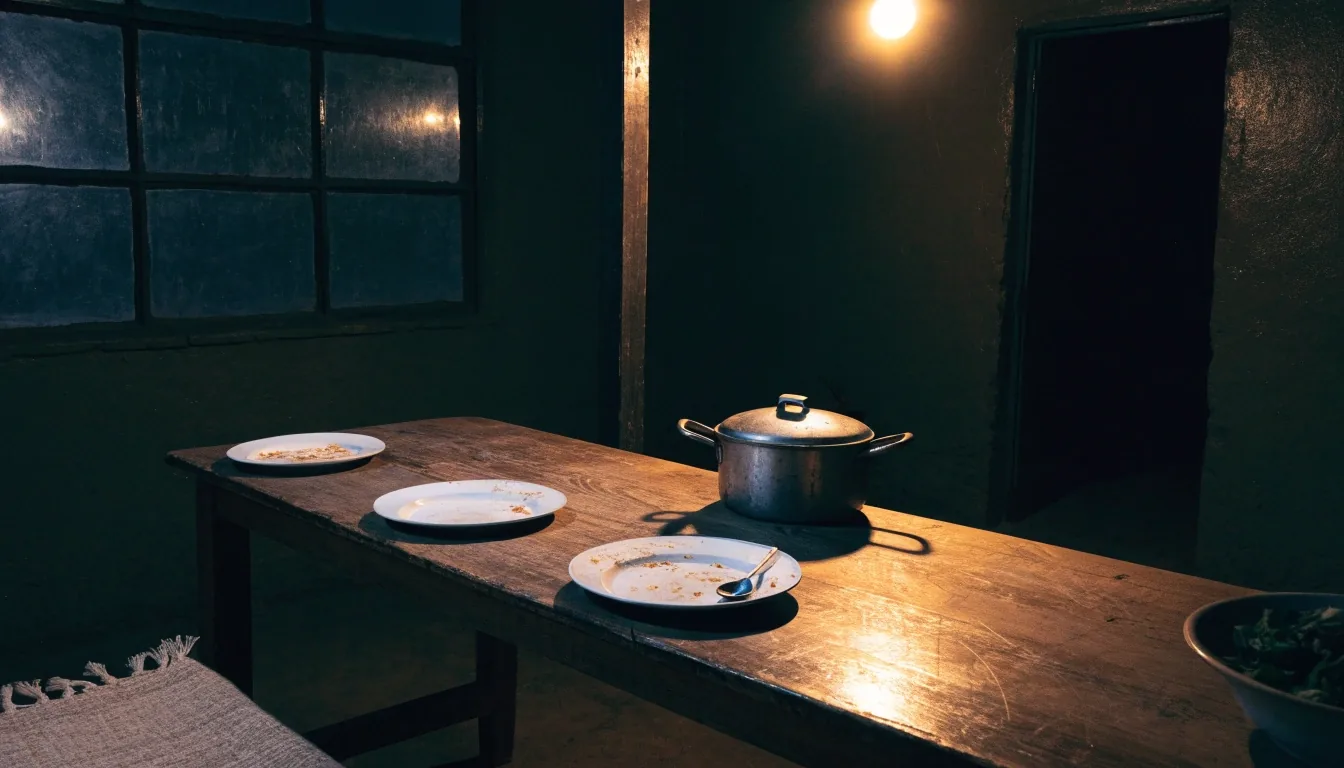
Why Botswana specifically
National health policy in Botswana links diet and physical activity as complementary risk-reduction tools. The country's strategy on non-communicable diseases names unhealthy diet and physical inactivity among the modifiable risk factors behind cancers, cardiovascular disease, diabetes and chronic respiratory illness.
That gives the site a clear target. Not the dramatic interventions, but the daily habits sitting underneath long-term disease risk and the tiredness people feel long before any diagnosis. Meals, hours of sleep, and how much walking a week actually holds.
Reading health guidance written for a European kitchen rarely helps here. The ingredients differ, the season differs, and the weekly food budget differs more than anything else. Advice imported wholesale tends to fail at exactly the point a reader tries to follow it.
So we write for one country on purpose. That means naming local staples, respecting how households really cook and shop, and staying honest when a recommendation costs more than it should. A site written for everyone usually serves no one in particular.
What guides the recommendations
Three sources, read in this order of priority. Then everything gets translated into something a person can actually do on a Tuesday.
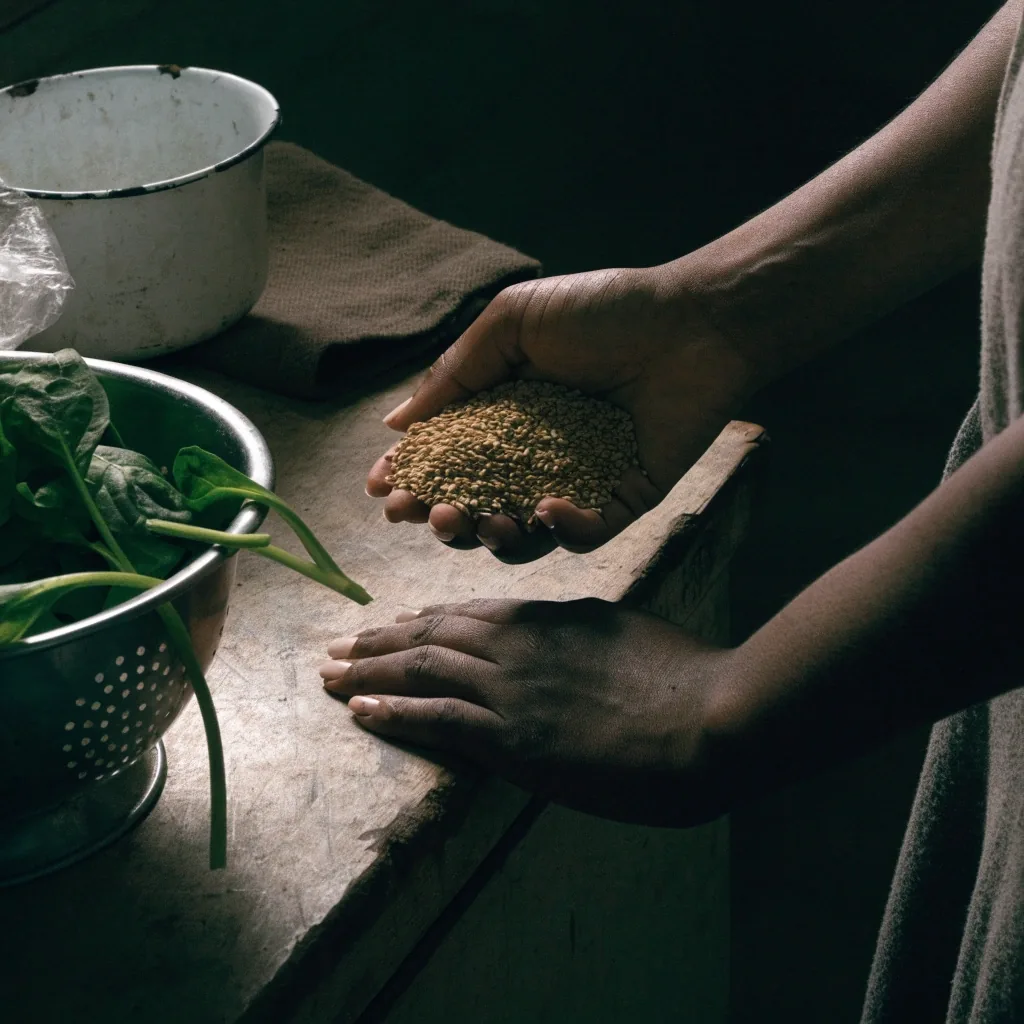
The affordability filter
A recommendation only earns a place on this site if a middle-income household in Botswana could reasonably follow it. That single test rules out a lot of what is fashionable elsewhere. Ingredients that never appear in a local shop, equipment nobody owns, and week-long protocols that assume a flexible workday all fail.
When food prices rise, we say so, and we adjust the advice rather than pretend the old version still works. Reporting quoted a University of Botswana nutrition professor saying nearly one in two citizens struggles to access enough safe and nutritious food, and that 20.2% of Batswana often sleep hungry. Any guidance that ignores those numbers is decoration.
In practice the filter changes the writing constantly. Instead of a long list of recommended protein sources, we name the two or three available in most wards and explain how to spread them across a week. Instead of an ideal bedtime routine, we start with the one change that survives a shared room and an early shift.
What we don't claim
We do not claim to treat, cure or prevent any disease. We do not publish before-and-after transformations or patient stories. We do not sell supplements and we do not run paid placements for them. If a brand ever wants that placement, the answer is no, and it stays no.
If a reader has a diagnosed condition, is pregnant, or is feeding a child who is struggling, our guidance is background reading, not a substitute for clinical care. Take the questions a page raises to a qualified professional rather than acting on them alone.
Sleep and nutrition advice also works slowly when it works at all. Anyone promising a fast fix is selling something else. Our pages describe habits and realistic expectations, and they are honest about how long change usually takes.
Not a clinic, not a shop
This is an information site. There is no consultation to book through these pages, no product to add to a basket, and no health record behind a login. Readers who want clinical care should see a qualified professional, and readers with a question about our writing can reach the editorial desk directly.
Ask a questionHow we handle policy documents
What the documents say
Botswana's National Plan of Action for Nutrition groups its priorities around diet-related non-communicable diseases and lifestyle. The 2011 National Health Policy calls for national dietary guidelines and better access to affordable healthy food.
Those documents are written for planners. They set direction, assign responsibilities, and describe the population rather than an individual kitchen. Read literally, most of it is impossible to follow at home.
What we do with them
A good part of the work here is turning policy language into kitchen-level decisions. Salt iodization becomes a note about which cooking salt to buy. Dietary diversity becomes a short list of foods to rotate through the week.
Where a policy goal depends on something outside a household's control, such as price or availability, we say so plainly instead of implying that a reader simply needs to try harder.
Corrections and updates
Health knowledge moves. Food prices in Botswana move faster. When a page becomes outdated, we revise it rather than leave it up as legacy content, and we would rather rewrite a popular page than keep a comfortable one that has drifted.
If you spot something that does not match your experience on the ground, the contact page is open. Reader corrections have changed pages before, usually about prices, portion sizes, or what is genuinely available in a particular district.
Send feedback on a pageWhat we check on a revision pass
How to read this site
It is not a course and there is no order you have to follow. Pick the page closest to what is bothering you.
Bring your question, not just your reading
If a page does not match what you see in your own kitchen or your own night, tell us. Reader notes are the fastest way this site improves, and every correction is read by the editorial desk before it changes anything.