Family & Child Nutrition
Feeding children well without expensive foods
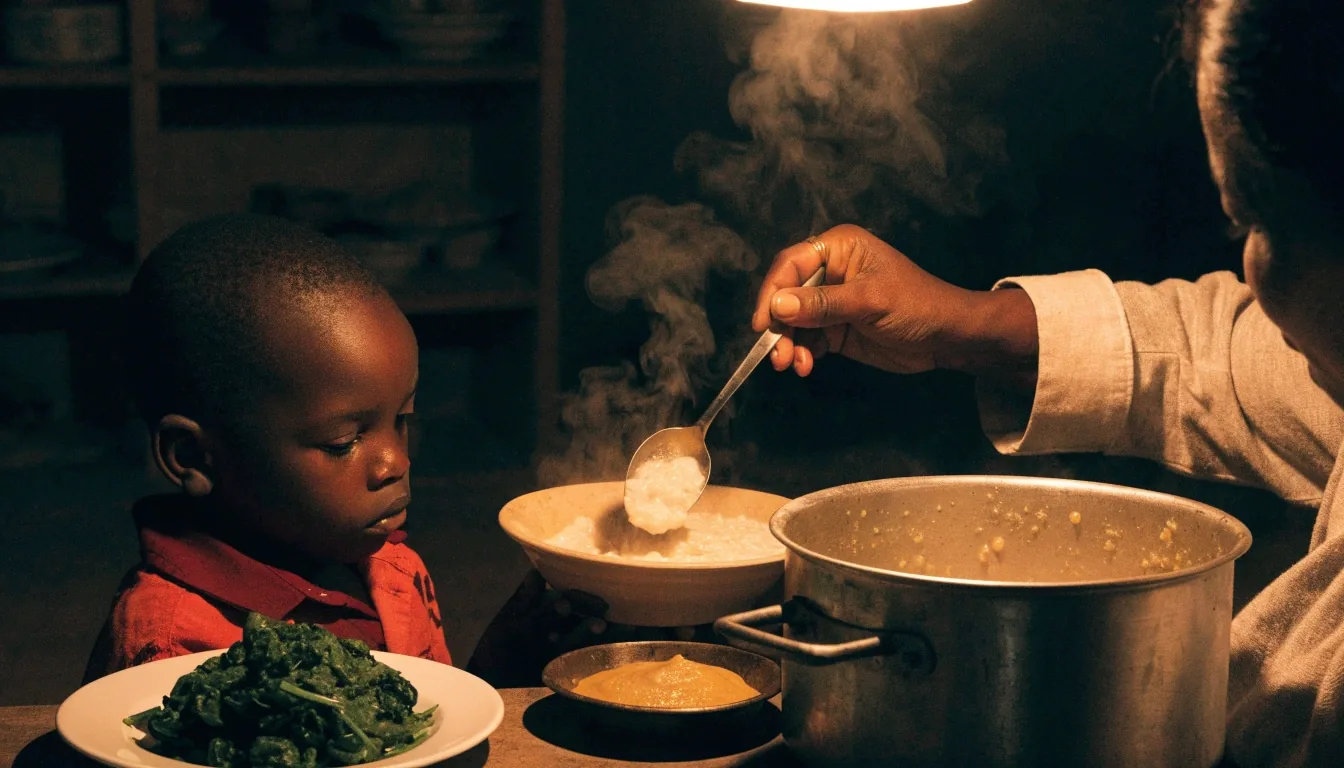
Parents and caregivers in Botswana often know what good nutrition looks like and still struggle to make it happen on a tight budget. This guide covers dietary diversity, meal frequency, and practical feeding that uses what is actually sold in local shops and markets.
Energy & body-building
Starch plus a legume or an animal food in the same meal.
- Maize or sorghum porridge
- Groundnut paste stirred in
- Beans, or a little tinned fish
Meals & snacks a day
Small stomachs need frequent, soft, nutrient-dense servings.
- Three meals from six months
- Two snacks in between
- One extra meal after illness
What a clinic check looks for
Growth tracked against the child's own curve over months.
- Weight and height recorded
- Appetite and energy reported
- Feeding routine discussed
The five-food-group benchmark
WHO's Botswana profile uses at least five food groups per day as the benchmark for appropriate dietary diversity in infant and young child feeding. Five sounds like a lot until you unpack it, because the groups are broad and the portions are small.
In practice it means combining basic things across the day: a grain, a legume, a vegetable, a fruit, and something from the animal or dairy side. Porridge alone reaches one group. Porridge with mashed pumpkin and groundnut paste reaches three before you have added anything else. Add a piece of fruit later in the morning and a small bowl of beans at midday and the same household budget stretches across five.
The point of counting is not the score. It is that a child eating only one or two groups day after day will miss nutrients that no single food can supply in enough quantity, particularly iron, zinc, and vitamin A. Reaching five is a way of filling those gaps without buying anything imported.
Complementary feeding, in plain language
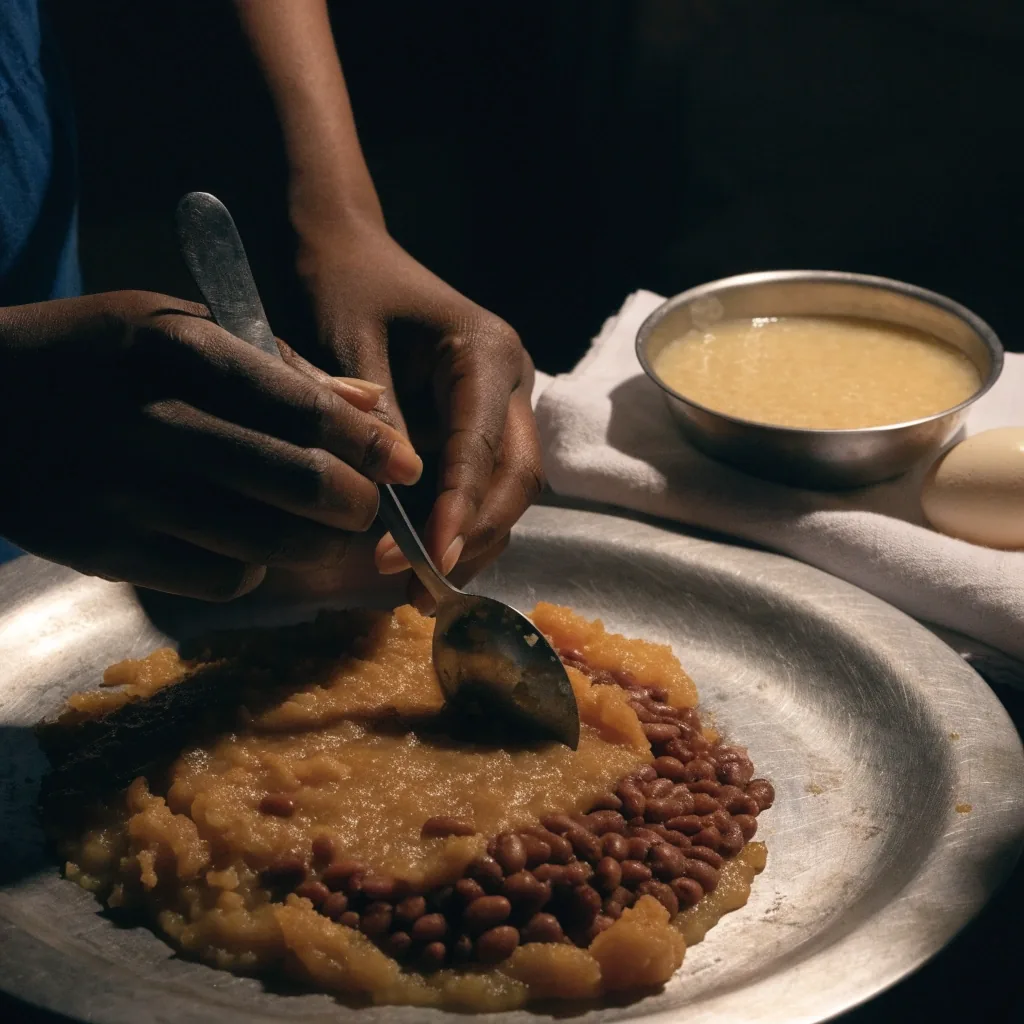
From around six months, breast milk alone stops covering a growing child's needs, and complementary foods start to fill the gap. These should be soft, nutrient-dense, and given often. The texture matters as much as the recipe: a child who cannot yet chew well will gain little from food they cannot swallow comfortably.
In practice this means small, frequent meals rather than three large ones, and it means adding energy and nutrients to the usual porridge instead of replacing the porridge. Replacing familiar food is expensive and usually rejected; enriching it costs a spoonful at a time.
Thicken the porridge rather than thinning it further. A runny maize porridge fills the stomach with water. A thicker one with groundnut paste, a little oil, or mashed vegetables carries far more energy in the same volume, which is the whole aim when a child's stomach is small.
Meal frequency for young children
Young children have small stomachs. Two or three meals alone will not cover their needs, so two or three snacks in between do a lot of the work. Frequency matters as much as what is served.
A snack is not a packet. It is a small, real food served at a set time so the child arrives at the next meal hungry but not exhausted.
Time of day
What can go on the plate
 Early morning
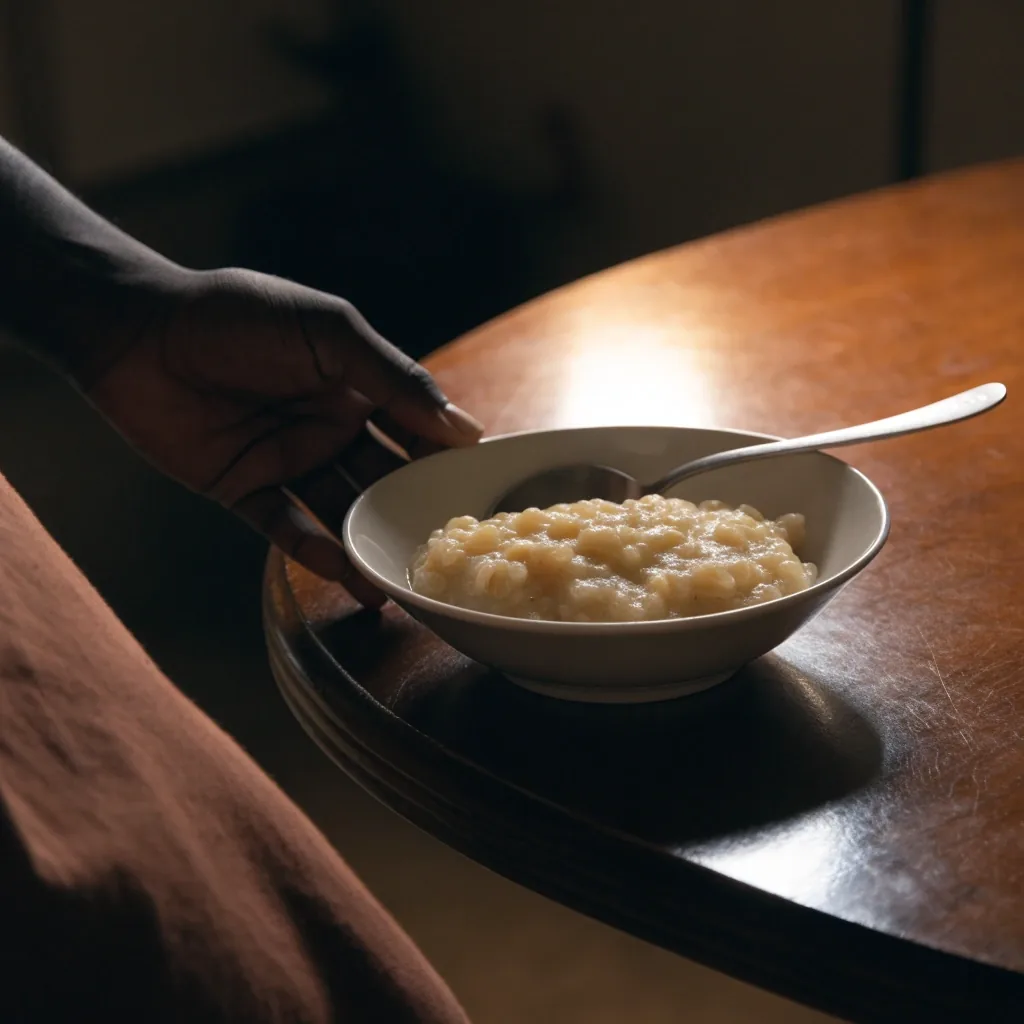
Thick porridge with groundnut paste
Early morning
Thick porridge with groundnut paste
This is a pattern, not a schedule to enforce. The number of eating occasions in a day is what matters most; exact times shift with the household.
Making porridge go further
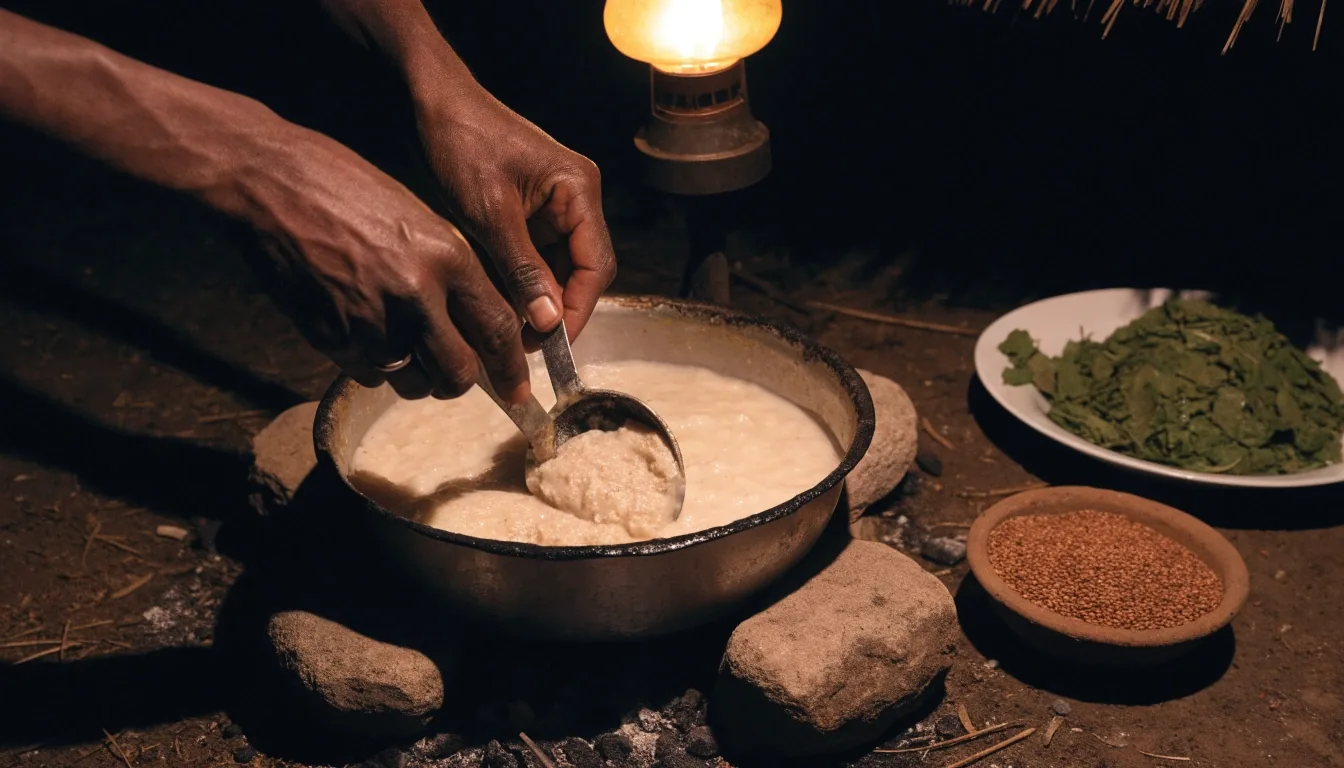
Porridge is the base of many children's meals in Botswana, and it can carry far more than maize. Each addition is small. Together they change the nutritional value of the same bowl.
For energy
A spoon of groundnut paste or cooking oil stirred through while the porridge is still hot. This raises the energy in the same volume, which matters when a child can only finish a small bowl.
For vitamins
Morogo or mashed carrot folded in at the end of cooking. Cooking greens briefly and adding them late keeps more of what they carry than boiling them for a long time.
For growth and iron
Where the budget allows, a little milk or flaked tinned fish. Both add protein a porridge cannot supply on its own, and both mix in without changing the taste much.
What not to add
More water to make it last longer, and sugar or sweet drinks to make it go down. Thinning the porridge lowers what the child gains from the bowl, and sweetened drinks replace appetite for real food.
Fussy eating is normal, mostly
Most young children go through periods of eating less or refusing new foods. It is a stage of growing up, not evidence that the child is unwell or that the cooking has failed.
Repeated exposure works better than pressure. Offer a small amount of the same food on several occasions, alongside something they already accept, and keep meals calm. Battles at the table tend to lengthen the phase rather than shorten it.
What tends to help
- Serve one accepted food next to one new food at every meal
- Keep the portion small so finishing it feels possible
- Eat the same food yourself in front of the child
- Offer the refused food again a few days later, calmly
- Keep meal times short and predictable rather than long
If a child refuses almost everything for weeks, loses weight, or becomes listless, that is worth a clinic visit rather than more patience at the table.
When food is not the problem
Food insecurity is a background fact in this country, and it is not something a recipe can solve. Reporting in 2026 noted that 20.2% of Batswana often sleep hungry and 29.2% often worry about where their next meal will come from. When a child's issue is access rather than appetite, no advice about enrichment helps.
Community feeding programmes, clinic support, and social services exist for exactly this situation. Reaching for them is the correct next step, not a last resort, and asking early usually opens more options than asking late. A clinic nurse or social worker can connect a household to the right programme more quickly than a search online.
If you are unsure which route fits your household, start at the nearest clinic and describe the situation plainly. They can tell you what is available in your area and what is needed to enrol.
Where to start
- Nearest clinic, at the child's next check
- Social services office in your district
- Community feeding programme nearby
- School feeding, once the child attends
Bring the child's clinic card where you can. It helps with both the assessment and the paperwork.
Growth monitoring and warning signs
Weight and height checks at the clinic track whether a child is growing on their own curve. The curve matters more than any single measurement, because healthy children vary widely in size and what is normal for one is not normal for another.
Falling off that curve, persistent tiredness, paleness, or loss of appetite over weeks are reasons to see a health worker rather than to wait and see. Nutrition problems in young children rarely resolve on their own once they have started, and earlier visits leave more options open.
Take the clinic card each time. The recorded values from previous visits are what make the pattern visible, and a second weight alone tells a health worker very little.
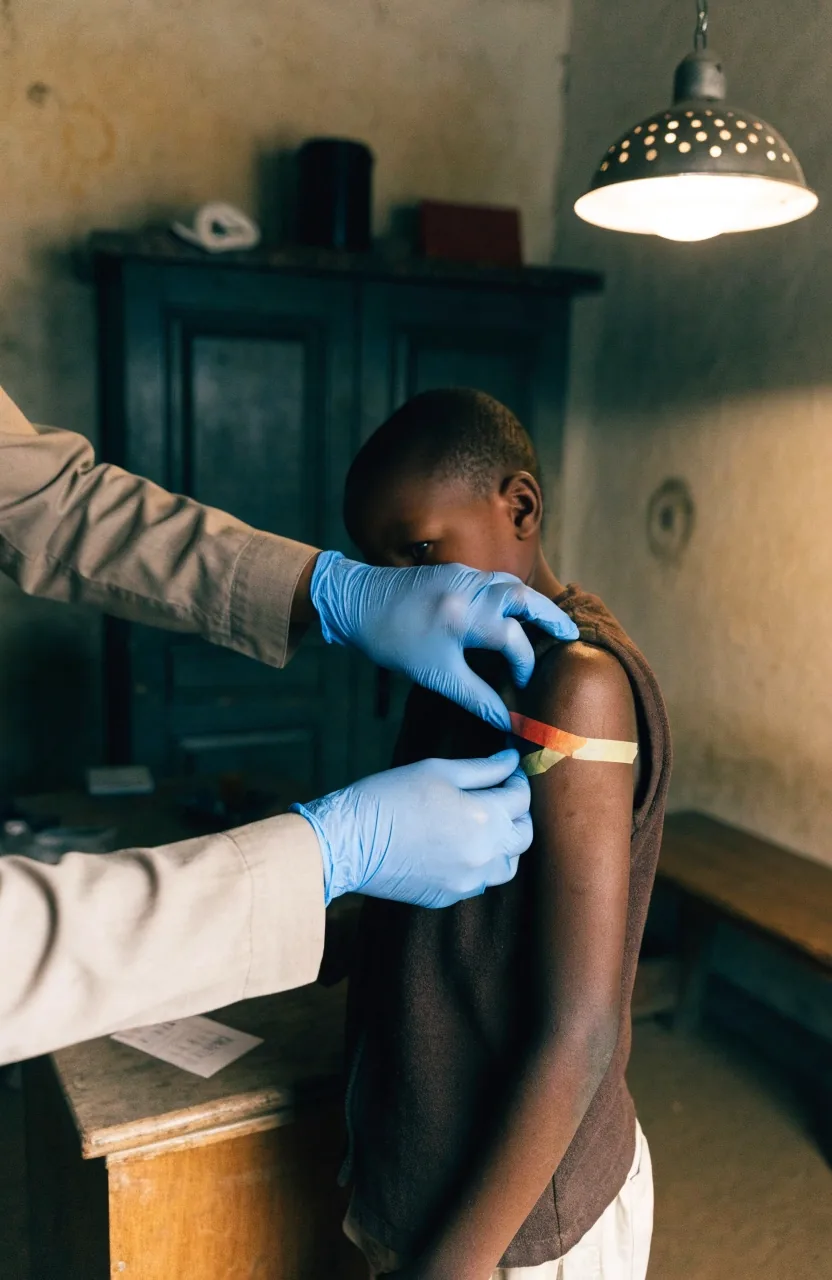
Measurements taken at the same clinic, on the same chart, over months. A single reading in isolation says little.
Involving the whole household
Feeding a child well works best when the whole household eats the same improved meals, adjusted for texture and portion. Cooking separately for one child is expensive and tiring, and it usually stops after a few weeks.
Cooking better for everyone is cheaper, and children copy what they see adults doing. A child who watches an older sibling and both parents eat morogo with the evening porridge will accept it far sooner than a child served a separate bowl at a separate time.
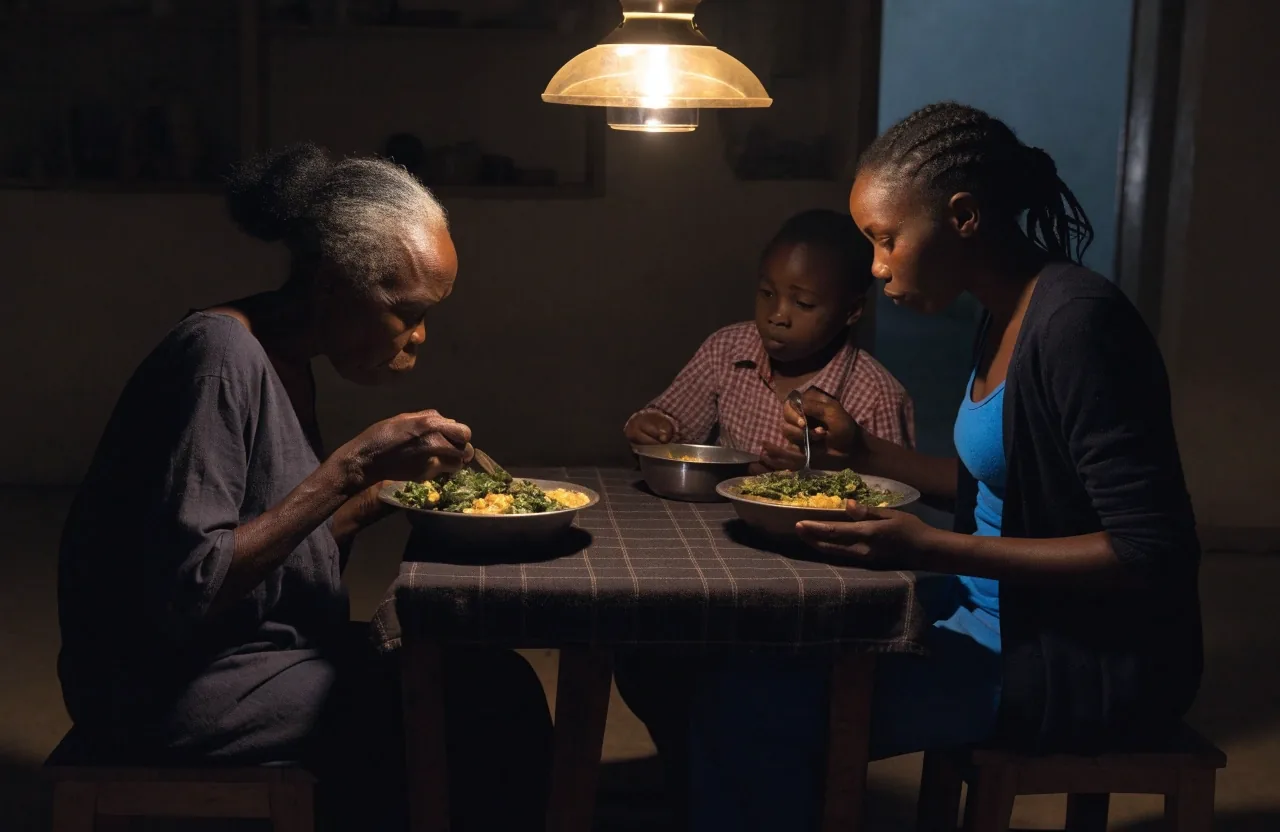
One pot, one table, portions adjusted. The child eats what the household eats, and learns by watching it happen.
Questions we hear from caregivers
A few points that come up often when families talk through feeding routines. If your situation differs, that is worth a conversation rather than a guess.
More general guidance sits on the FAQ page.
My child only wants porridge. Is that enough?
Plain porridge reaches one food group and mostly supplies energy. Add groundnut paste or a spoon of oil, then morogo or mashed carrot, and where the budget allows a little milk or flaked tinned fish. The bowl stays familiar; what it delivers changes.
How often should a one-year-old eat?
Three small meals and two snacks is a workable pattern for most children at this age, with breast milk continuing on demand. After an illness, an extra meal a day for a week or two helps the child catch up on what was lost while they were unwell.
Does a snack have to be bought food?
No. A boiled egg, mashed avocado where it is available, a piece of fruit, groundnuts ground into porridge, or a small bowl of beans all work. A snack is a small real food served at a set time, not a packet.
The clinic said the weight is falling. What now?
Follow the clinic's plan and return for the next check rather than waiting for things to settle on their own. Bring the clinic card, describe what the child actually eats in a day, and say plainly if food access is part of the problem so the right support can be arranged.
Should we cook separately for the youngest child?
Usually not. Cook one improved meal for the household and adjust the texture and portion for the youngest at the table. It costs less, it saves time, and the child learns to eat what everyone else eats.
A short talk can save months of guessing
If feeding has become a daily argument, or a child's weight has stopped following its curve, bring the details to a nutritionist and work through them properly. Practical guidance beats trial and error at the table.
Contact